And if that sentence makes you pause, ask yourself why.
How many times have you been told you’re “strong”? How often has your resilience been admired but never questioned? When was the last time someone asked you what it cost you to become that way?
I’ve been called a “strong woman” for decades.
Strong because I kept going. Strong because I pushed. Strong because I figured things out when support was limited. Strong because of my journey—coming to the U.S. with $10, building, losing, rebuilding, and continuing to show up anyway.
Strong because I didn’t quit.
And for a long time, I accepted that label as a compliment.
But strength, when it becomes your identity, can quietly turn into a cage.
When Strength Becomes Adaptation
Many of us learned early how to adapt.
We learned how to read rooms. How to anticipate needs. How to stay composed when things were uncertain. How to keep moving forward because stopping wasn’t an option.
For many women—especially African and immigrant women like me—adaptation is praised. It’s celebrated. It’s rewarded.
You’re dependable. You’re capable. You’re the one people lean on.
But here’s the question we rarely ask:
What happens when adaptation becomes the foundation you build everything on?
Survival works until it becomes permanent.
Over-Adapted Doesn’t Look Like Struggle
Over-adapted women don’t look lost.
They look successful, accomplished, and like they have it together.
They’re raising families. Building careers. Showing up for everyone.
I know this personally.
I’ve been married for over two decades to a husband who has walked every season with me— even through years when work required distance, long stretches of travel, and shared responsibility carried across time zones. Together, we’ve raised four children while navigating life, faith, purpose and calling.
From the outside, it looks steady. Grounded. Strong. And it is.
But even within commitment and love, over-adaptation can quietly live—showing up as constant pushing, carrying, and proving long after the season that required it has passed.
So let me ask you what I learned to ask myself:
• Do you know how to rest without feeling guilty?
• Do you know what you want, or only what needs to be done next?
• Are you building from alignment or from endurance?
The Cost No One Talks About
Over time, over-adaptation shows up as:
• Chronic exhaustion that rest doesn’t fix
• Difficulty naming your own needs
• Success that feels heavy instead of life-giving
• Staying in rooms you’ve outgrown
• Confusing endurance with alignment
You’re not failing. You’re functioning.
And functioning can look a lot like success until you realize it’s costing you intimacy with yourself and peace of mind.
This Isn’t About Becoming Someone New
The work isn’t about shedding your strength.
It’s about remembering who you were before strength became your only option.
Healing from over-adaptation doesn’t start with strategy. It starts with permission.
Permission to pause. Permission to question the definitions you inherited. Permission to stop building from survival when survival is no longer required.
That’s why my work lives at the intersection of identity and strategy—because no amount of external success can compensate for internal disconnection.
A Reframe Worth Sitting With
You are not behind. You are not broken. And you are not lost.
You adapted! And adaptation kept you alive.
But survival was never meant to be permanent.
There is another way to build—one that allows you to stay whole while you grow.
As I Close
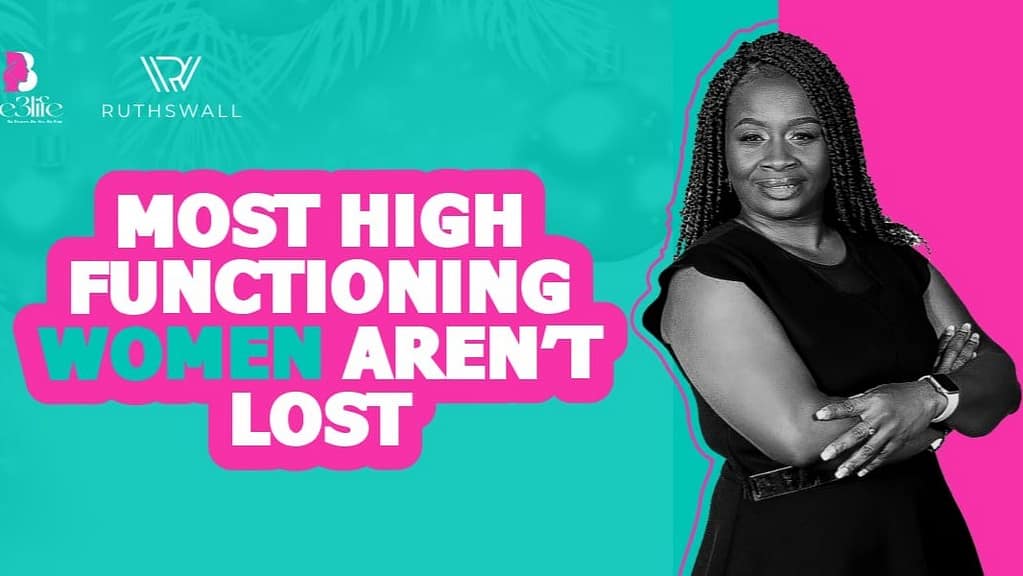
Most high-functioning women aren’t lost. They’re over-adapted.
And becoming whole doesn’t require you to dismantle your strength, only to stop building your life at its expense.
If this resonates, pause with it. Not to fix anything, but to listen.
You may already know what’s next.